Component Revival: The British Homeowner's Strategic Guide to PC Longevity
The Economic Reality of PC Ownership
With household budgets stretched across the UK and technology costs remaining stubbornly high, British consumers are increasingly questioning whether their ageing desktop computers truly require complete replacement. The conventional wisdom suggests that PCs become obsolete every three to four years, but this assumption often overlooks the remarkable potential for strategic component upgrades to breathe new life into existing systems.
The mathematics are compelling: whilst a new mid-range desktop system costs between £800 and £1,200, targeted component upgrades typically range from £100 to £400. For households already managing mortgage rate increases and rising energy bills, this difference represents significant breathing room in monthly budgets.
Diagnosing Performance Bottlenecks
Before considering any upgrade path, British consumers must accurately identify what's actually limiting their system's performance. Many assume their entire computer is failing when the reality involves just one or two components reaching capacity.
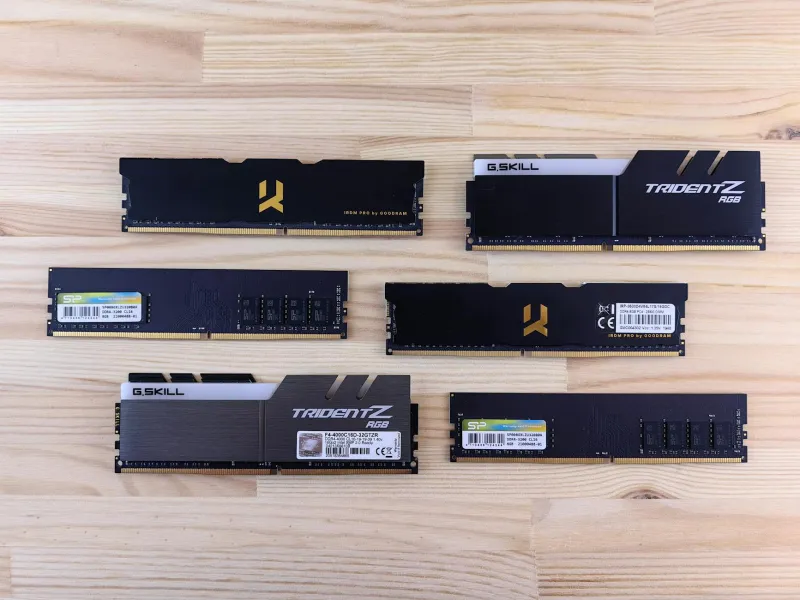
Memory limitations represent the most common culprit behind sluggish performance. Systems with 8GB of RAM often struggle with modern web browsers, video calls, and basic productivity applications running simultaneously. Upgrading to 16GB typically costs between £60 and £120 but can transform system responsiveness dramatically.
Storage bottlenecks create another frequent performance constraint. Traditional mechanical hard drives, particularly those over three years old, become noticeably slower as they fill with data and experience wear. Replacing a conventional drive with a solid-state drive costs approximately £80 to £150 but often delivers the most dramatic performance improvement possible.
Graphics limitations affect users differently depending on their requirements. Casual users rarely need dedicated graphics cards, whilst gaming enthusiasts or content creators may find graphics upgrades essential. However, even modest graphics cards costing £200 to £300 can extend a system's viability for years.
The £200 Transformation: Essential Upgrades
For British households operating on tight budgets, a £200 upgrade allocation can deliver remarkable results when deployed strategically. This typically covers either a substantial memory upgrade plus a solid-state drive, or a single high-impact component like a mid-range graphics card.
The memory and storage combination represents the most universally beneficial approach. Doubling system memory from 8GB to 16GB costs approximately £80, whilst a 500GB solid-state drive replacement costs another £90. This £170 investment transforms how quickly applications load, how smoothly multiple programs operate simultaneously, and how responsive the system feels during daily use.
For users whose systems already possess adequate memory and storage but struggle with graphics-intensive tasks, a £200 graphics card upgrade can extend system viability by three to four years. Modern entry-level cards handle contemporary games at 1080p resolution whilst dramatically improving video editing and streaming capabilities.
The £400 Comprehensive Refresh
Households with slightly more flexibility can achieve near-complete system transformation for approximately £400. This budget accommodates memory upgrades, solid-state storage, and either graphics improvements or processor enhancement depending on system architecture.
The key lies in identifying which component represents the primary limitation. Systems with capable processors but inadequate memory and storage benefit most from the comprehensive memory, storage, and graphics approach. Alternatively, systems with reasonable specifications but ageing processors might justify CPU upgrades where motherboard compatibility permits.
"I was convinced our family computer needed complete replacement," explains Rebecca Walsh, a Cardiff resident who opted for strategic upgrades instead. "£350 in new components gave us what felt like an entirely new machine. The children's homework loads instantly now, and I can actually work from home without constant frustration."
 Photo: Rebecca Walsh, via cdn.thehollywoodgossip.com
When Replacement Makes Sense
However, upgrade strategies aren't universally appropriate. British consumers should consider complete replacement when their systems exhibit multiple fundamental limitations or when upgrade costs approach new system pricing.
Motherboards over six years old often lack compatibility with modern memory standards and processors. Attempting upgrades on these platforms frequently proves futile or excessively expensive. Similarly, systems with multiple failing components—perhaps a struggling hard drive, failing power supply, and inadequate memory—often cost more to repair comprehensively than replace entirely.
Power supply limitations create another common barrier to effective upgrades. Adding a modern graphics card to a system with an inadequate power supply necessitates both components, potentially pushing costs beyond sensible limits.
The Environmental Argument
Beyond immediate financial considerations, extending PC lifespan through strategic upgrades delivers meaningful environmental benefits. Electronic waste represents a growing concern across the UK, with millions of computers discarded annually despite containing perfectly functional components.
Manufacturing new computers requires substantial energy and raw materials. Extending existing system lifespan by two to three years through targeted upgrades significantly reduces environmental impact whilst delivering equivalent functionality. For environmentally conscious British households, this represents an additional compelling argument for the upgrade approach.
Future-Proofing Considerations
When evaluating upgrade strategies, British consumers should consider their systems' long-term viability. Investing £300 in upgrades for a ten-year-old computer rarely proves economical, whilst similar investments in four-year-old systems often extend usability substantially.
The key metric involves calculating cost per year of additional use. If £250 in upgrades extends system viability by three years, the annual cost becomes approximately £83—far less than the £200 to £300 annual depreciation of a new computer.
Practical Implementation
Successful upgrade projects require careful component selection and realistic performance expectations. British consumers should research compatibility thoroughly and consider professional installation for complex upgrades like processor replacement.
Memory and storage upgrades typically represent straightforward weekend projects for moderately technical users. Graphics card installation requires slightly more care but remains accessible to most homeowners with basic technical confidence.
The Verdict: Strategic Patience Pays
For cost-conscious British households, strategic component upgrades often deliver exceptional value compared to complete system replacement. The key lies in accurate diagnosis of performance limitations and realistic assessment of upgrade potential.
Whilst the technology industry benefits from frequent replacement cycles, consumers benefit from extracting maximum value from existing investments. With careful planning and strategic component selection, many British PCs can deliver years of additional service for a fraction of replacement cost.