Beyond the Office: Why Britain's Mobile Workforce Is Driving a £500 Million Rugged Laptop Revolution

The Great British Mobile Computing Awakening
Across Britain's industrial heartlands, from the shipyards of Belfast to the renewable energy installations of the Scottish Highlands, a quiet revolution is transforming how mobile professionals approach their computing needs. The traditional consumer laptop—once deemed adequate for occasional fieldwork—is rapidly giving way to purpose-built rugged devices designed to withstand the harsh realities of British working environments.
 Photo: Scottish Highlands, via wallpapercave.com
This transformation reflects more than mere technological preference; it represents a fundamental shift in understanding total cost of ownership within Britain's diverse mobile workforce sectors.
The Hidden Costs of Consumer Laptop Failures in Professional Environments
Britain's mobile professionals have traditionally relied upon consumer-grade laptops adapted for field use through protective cases and careful handling protocols. However, comprehensive failure analysis reveals this approach generates substantial hidden costs that far exceed the initial hardware savings.
Consumer laptops deployed in challenging environments typically experience failure rates 3-4 times higher than office-based units. These failures manifest through various mechanisms: moisture ingress damaging internal components, vibration-induced hard drive failures, screen damage from impact, and keyboard degradation from dust and debris exposure.
A recent analysis of mobile computing deployments across British utilities companies revealed average annual failure rates of 35% for consumer laptops used in field environments, compared to just 8% for purpose-built rugged alternatives. When factoring replacement costs, data recovery expenses, and productivity losses during downtime, the total cost differential reaches £800-1,200 per device annually.
Understanding Britain's Diverse Mobile Professional Landscape
The demand for rugged computing solutions spans numerous sectors within Britain's economy, each presenting unique environmental challenges and operational requirements.
Construction and civil engineering professionals face perhaps the most demanding conditions, with devices exposed to concrete dust, vibration from heavy machinery, temperature extremes, and frequent drops from significant heights. Traditional laptops rarely survive more than 6-8 months in these environments without protective modifications that compromise usability.
Britain's energy sector presents different challenges, with offshore wind technicians requiring devices capable of withstanding salt spray, high humidity, and extreme weather conditions. Similarly, oil and gas professionals working on North Sea platforms demand computing solutions that meet stringent safety certifications whilst delivering reliable performance in harsh maritime environments.
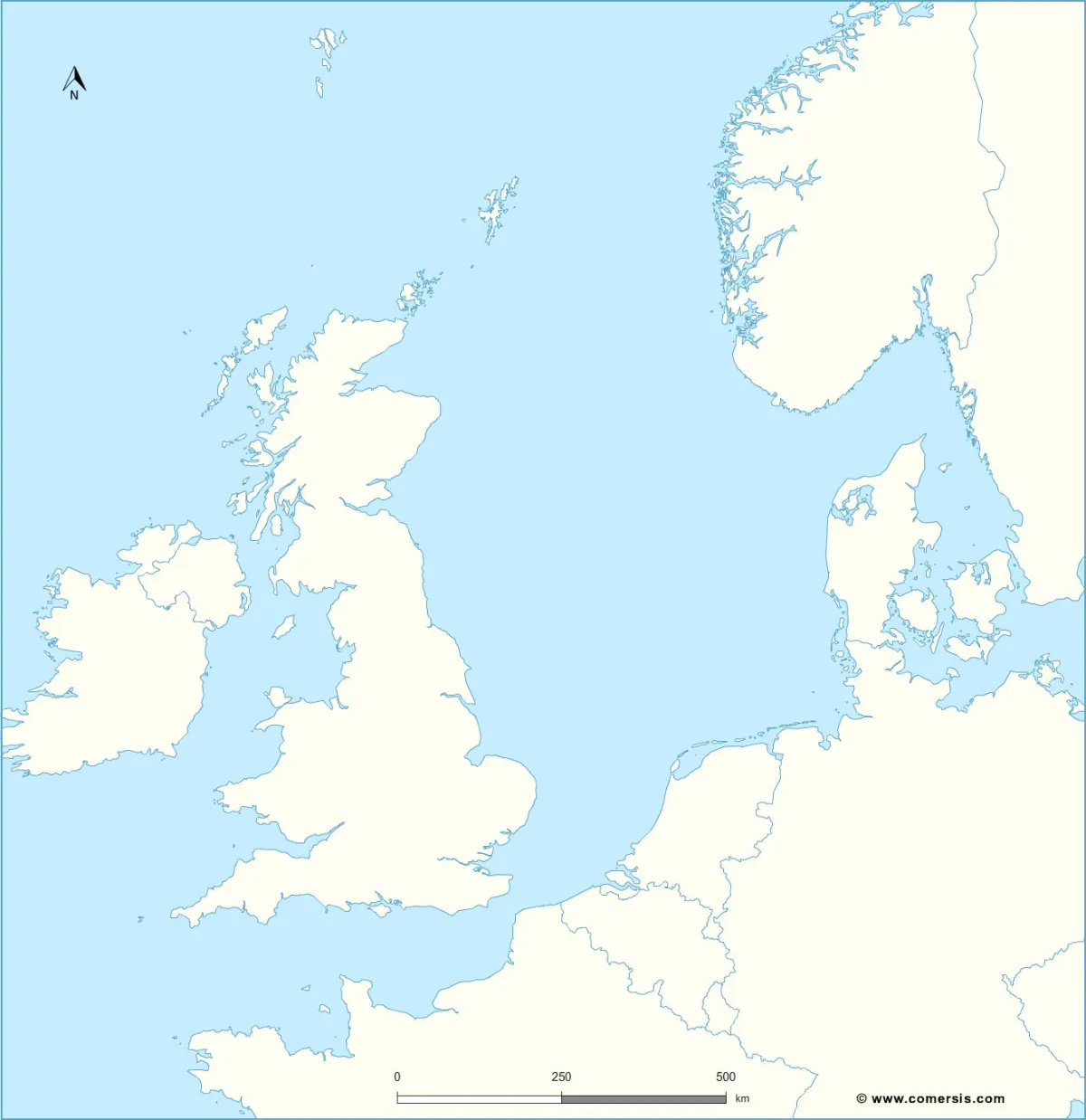 Photo: North Sea, via comersis.com
Utility companies managing Britain's electrical grid, water systems, and telecommunications infrastructure require mobile computing solutions capable of functioning reliably in underground environments, industrial facilities, and remote locations with limited environmental protection.
The Engineering Reality: What Makes Rugged Laptops Different
Purpose-built rugged laptops incorporate fundamental design principles that distinguish them from consumer alternatives adapted for field use. These differences extend beyond superficial protective features to encompass every aspect of the device's construction and component selection.
Rugged laptops typically feature magnesium alloy chassis construction, providing superior strength-to-weight ratios compared to plastic consumer alternatives. Internal components receive enhanced mounting systems designed to absorb shock and vibration, whilst critical elements like storage drives utilise solid-state technology immune to mechanical failure.
Environmental sealing represents another crucial differentiator, with rugged devices meeting IP65 or IP67 standards for dust and water ingress protection. This sealing extends to all external interfaces, including USB ports, power connections, and display hinges, ensuring reliable operation in challenging conditions.
Thermal management systems in rugged laptops accommodate wider operating temperature ranges, typically spanning -20°C to +60°C compared to the 0°C to +35°C range of consumer devices. This capability proves essential for British professionals working in unheated environments during winter months or in industrial facilities with elevated ambient temperatures.
Screen Technology: Addressing Britain's Outdoor Visibility Challenge
Britain's frequently overcast conditions create unique challenges for mobile computing visibility, with traditional laptop screens proving inadequate for outdoor use even in moderate lighting conditions. Rugged laptops address this limitation through high-brightness displays capable of 1,000+ nits output, compared to the 300-400 nits typical of consumer alternatives.
Anti-reflective coatings and transflective display technologies further enhance outdoor readability, enabling professionals to view critical information clearly regardless of ambient lighting conditions. These display enhancements prove particularly valuable for British professionals working in industries where screen visibility directly impacts safety and operational efficiency.
Battery Life and Power Management in Professional Environments
Mobile professionals operating away from mains power for extended periods require computing solutions with exceptional battery performance and flexible charging options. Consumer laptops typically offer 4-6 hours of real-world battery life under moderate usage conditions, insufficient for full-day field operations.
Rugged laptops frequently incorporate hot-swappable battery systems, enabling users to replace depleted batteries without powering down their devices. This capability proves essential for professionals conducting lengthy surveys, inspections, or maintenance procedures where interruption could compromise data integrity or operational safety.
Additionally, rugged devices often support multiple charging methods, including vehicle power adapters, solar charging systems, and external battery packs. This flexibility ensures reliable operation in remote locations where traditional charging infrastructure remains unavailable.
The Total Cost of Ownership Revolution: Quantifying the Business Case
Whilst rugged laptops command premium pricing—typically £1,500-3,500 compared to £600-1,200 for comparable consumer alternatives—comprehensive total cost of ownership analysis reveals significant long-term savings for mobile professionals.
The primary cost advantage stems from extended operational lifespan and reduced failure rates. Rugged laptops typically provide 5-7 years of reliable service in demanding environments, compared to 18-24 months for consumer alternatives. When combined with reduced replacement frequency and lower maintenance requirements, the annual cost differential often favours rugged solutions by 20-30%.
Productivity improvements represent another significant benefit, with rugged devices enabling professionals to complete tasks efficiently regardless of environmental conditions. The ability to access critical information, update records, and communicate effectively whilst on-site eliminates delays associated with returning to office environments for data processing.
Navigating the British Rugged Laptop Market: Selection Criteria and Recommendations
The British rugged laptop market encompasses numerous manufacturers offering devices optimised for specific professional applications. Selection criteria should prioritise environmental certifications relevant to intended use cases, with MIL-STD-810G compliance indicating comprehensive shock, vibration, and temperature testing.
IP rating specifications indicate environmental sealing effectiveness, with IP65 providing adequate protection for most British professional environments whilst IP67 certification suits more demanding applications involving potential water immersion.
Processor and memory specifications should align with professional software requirements whilst considering the thermal constraints inherent in rugged device designs. Modern rugged laptops increasingly offer performance comparable to consumer alternatives whilst maintaining environmental resilience.
Connectivity options prove crucial for British mobile professionals, with cellular modem integration enabling reliable communication in areas with limited Wi-Fi infrastructure. GPS capabilities and specialised interface ports may prove essential depending upon specific professional requirements.
By understanding these fundamental principles and conducting thorough total cost of ownership analysis, Britain's mobile professionals can make informed decisions that enhance productivity whilst reducing long-term computing costs.