The Windows 11 Catalyst: How Britain's IT Leaders Transform Crisis into Strategic Opportunity

The Unavoidable Reckoning
Across Britain's business landscape, IT departments face an unprecedented challenge. Microsoft's October 2025 end-of-support deadline for Windows 10 coincides with hardware compatibility requirements that render millions of corporate PCs obsolete overnight. Rather than viewing this as a costly inconvenience, astute British IT leaders recognise an extraordinary opportunity to fundamentally reimagine their technology infrastructure.
The scale of disruption cannot be understated. Industry estimates suggest that approximately 60% of UK business computers currently running Windows 10 lack the Trusted Platform Module (TPM) 2.0 chips and modern processors required for Windows 11. For organisations that have stretched hardware lifecycles during recent economic uncertainty, this represents a simultaneous refresh requirement affecting potentially thousands of workstations.
Beyond Compliance: Strategic Infrastructure Evolution
Whilst many businesses approach this transition with resignation—viewing it as an expensive compliance exercise—the most forward-thinking British companies are leveraging the moment for comprehensive technology transformation. When forced to replace substantial portions of their computing infrastructure anyway, the incremental cost of implementing broader improvements becomes remarkably modest.
"We initially calculated the Windows 11 migration would cost approximately £180,000 for new hardware across our 120-person workforce," explains Marcus Thompson, IT director at a Manchester-based professional services firm. "However, we realised that spending an additional £40,000 would allow us to standardise our entire technology stack, implement proper network infrastructure, and establish redundant systems we'd been postponing for years."
 Photo: Marcus Thompson, via justatic.com
This perspective shift transforms a mandatory expense into a strategic investment. Rather than purchasing minimum-specification machines to meet Windows 11 requirements, businesses can invest slightly more in future-proofed hardware that will serve reliably for years beyond the typical replacement cycle.
The Standardisation Imperative
One of the most valuable aspects of large-scale hardware refresh involves the opportunity to eliminate the configuration chaos that plagues many British businesses. Years of ad-hoc purchases, different supplier relationships, and varying departmental requirements often result in IT environments resembling technological museums rather than coherent systems.
The Windows 11 transition provides natural justification for establishing consistent hardware specifications across the organisation. Standardised configurations dramatically reduce support complexity, simplify software deployment, and enable bulk purchasing advantages that can offset upgrade costs substantially.
"Previously, we supported seventeen different computer models across our offices," recalls Jennifer Walsh, systems administrator at a Birmingham manufacturing company. "Each required different drivers, different support procedures, and different spare parts inventory. The Windows 11 refresh allowed us to standardise on three configurations—executive, standard office, and engineering workstations—which has reduced our support overhead by approximately 40%."
Peripheral Infrastructure: The Forgotten Half
Whilst hardware refresh naturally focuses on computers themselves, the most successful British implementations extend systematic thinking to peripheral infrastructure. Monitors purchased five years ago may technically function but often lack the resolution, colour accuracy, or connectivity options that modern productivity demands.
Similarly, keyboard and mouse combinations that seemed adequate when originally purchased may now feel sluggish or uncomfortable compared to contemporary alternatives. When budgets already accommodate major hardware expenditure, the incremental cost of refreshing peripherals becomes remarkably reasonable.
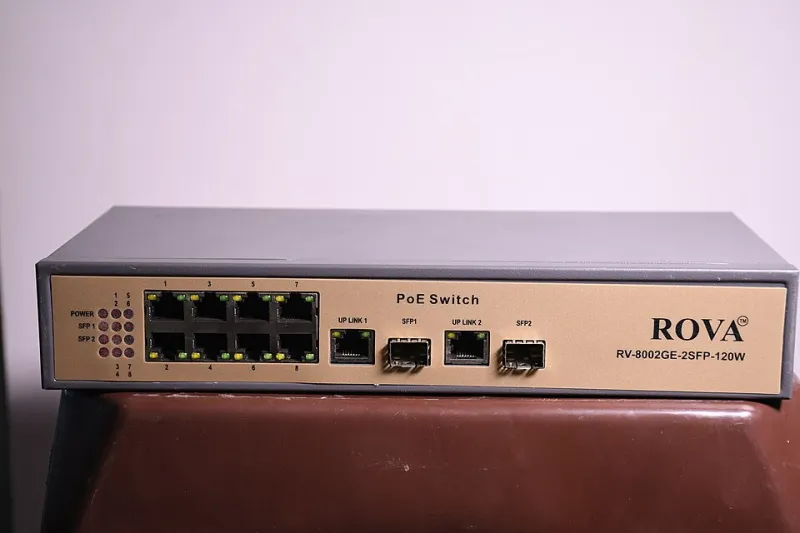
Network infrastructure represents another frequently overlooked opportunity. Businesses replacing substantial numbers of computers often discover that their existing network switches, wireless access points, and cabling cannot adequately support the increased bandwidth and connectivity requirements of modern systems.
Future-Proofing Through Strategic Specification
Rather than purchasing machines that barely meet Windows 11 requirements, British businesses are increasingly specifying hardware that will remain relevant throughout extended lifecycle periods. This approach recognises that the next major operating system transition may not provide such clear advance warning.
Modern business workstations with 16GB of memory, solid-state storage, and contemporary processors cost only marginally more than minimum-specification alternatives but offer dramatically superior longevity prospects. When amortised across expected service life, the premium for future-proofed specifications often represents less than £100 annually per workstation.
"We've learned that attempting to stretch hardware beyond reasonable lifecycles ultimately costs more than purchasing appropriate specifications initially," observes Thompson. "Our new standard specification includes 32GB of memory and high-performance storage specifically to avoid forced upgrades during the next operating system transition."
The Security Transformation
Windows 11's enhanced security features, particularly those requiring TPM 2.0 hardware, represent genuine improvements in business data protection. However, the transition also provides opportunity to implement comprehensive security infrastructure that extends far beyond operating system features.
Modern business workstations can integrate with sophisticated network security appliances, implement hardware-based encryption for sensitive data, and support advanced authentication systems. When combined with strategic network infrastructure improvements, the result often delivers security capabilities that would have required separate investments previously.
Implementation Strategies: Phased Versus Complete
British businesses adopting strategic approaches to the Windows 11 transition typically choose between phased implementation and complete refresh strategies. Phased approaches allow for learning and refinement but may sacrifice bulk purchasing advantages and create temporary support complexity.
Complete refresh strategies require substantial upfront investment but deliver immediate benefits of standardisation and simplified support. For organisations with adequate capital reserves, the complete approach often proves more economical when all factors are considered.
Vendor Relationships: Leveraging Scale
The necessity of large-scale hardware refresh provides exceptional leverage in supplier negotiations. British businesses purchasing dozens or hundreds of systems simultaneously can often secure substantial discounts, extended warranties, and favourable support terms that would be unavailable for smaller purchases.
Some organisations are collaborating with industry peers to achieve even greater purchasing power. Professional associations and industry groups increasingly facilitate group purchasing arrangements that deliver enterprise-level pricing to smaller businesses.
The Long-Term Perspective
Whilst the immediate focus involves Windows 11 compliance, the most successful British implementations maintain awareness of longer-term technology trends. Specifications that accommodate emerging requirements like artificial intelligence workloads, enhanced video collaboration, and increased security demands position organisations advantageously for future developments.
"The Windows 11 transition forced us to think systematically about our technology infrastructure for the first time in years," reflects Walsh. "Rather than viewing it as an expensive inconvenience, it became the catalyst for building the technology foundation our business actually needs for the next decade."
The Windows 11 deadline represents more than a compliance requirement—it's an opportunity for British businesses to transform their technology infrastructure comprehensively. Forward-thinking IT leaders who embrace this perspective often discover that the forced refresh delivers value far exceeding its cost.