Foundation Flaws: How British PC Enthusiasts Are Sabotaging £2,000 Builds with £80 Motherboards
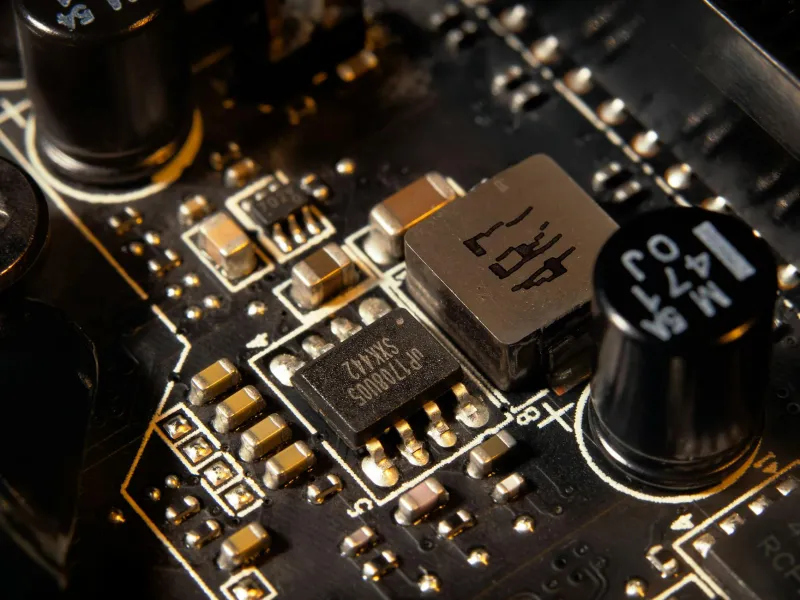
The £2,000 Paradox: When Premium Components Meet Budget Foundations
Across Britain's bustling computer component market, a peculiar phenomenon continues to perplex retailers and frustrate customers. Walk into any PC building forum or Discord channel, and you'll encounter the same recurring narrative: enthusiasts proudly showcasing their latest Intel Core i7 or AMD Ryzen 9 processors, paired with flagship graphics cards, only to discover months later that their system's performance falls dramatically short of expectations.
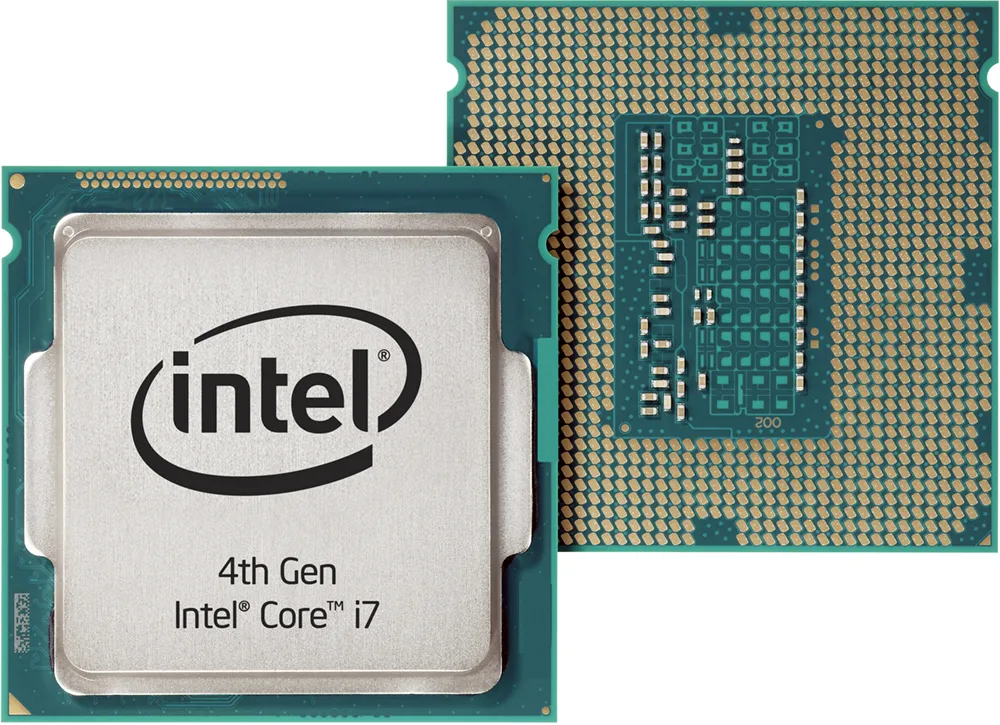 Photo: Intel Core i7, via techgage.com
The culprit, more often than not, lies hidden beneath the flashy components—a budget motherboard struggling to deliver the power, bandwidth, and stability these premium parts demand.
Understanding the Motherboard's Critical Role in System Performance
The motherboard serves as your system's nervous system, orchestrating communication between every component whilst providing the electrical foundation that enables peak performance. Yet British PC builders consistently underestimate its importance, often allocating just 8-12% of their total budget to this crucial component.
Modern processors, particularly Intel's 12th generation and AMD's Ryzen 7000 series, demand sophisticated power delivery systems to maintain their advertised boost clocks. A motherboard's Voltage Regulator Module (VRM) design directly impacts your processor's ability to sustain peak performance under demanding workloads.
"We regularly see customers return with performance complaints, only to discover they've paired a £400 processor with a motherboard featuring inadequate VRM cooling," explains a senior technician at a leading British component retailer. "The processor throttles to protect itself, essentially wasting the customer's investment."
The VRM Quality Crisis: Why Cheap Power Delivery Costs Performance
Voltage Regulator Modules represent the motherboard's most critical subsystem, yet they remain poorly understood by many British builders. These circuits convert your power supply's 12V output into the precise voltages your processor requires, adjusting dynamically as workload demands fluctuate.
Budget motherboards typically feature basic VRM designs with minimal cooling, forcing processors to reduce their clock speeds when temperatures climb. This thermal throttling can reduce performance by 15-25% in sustained workloads, effectively negating the benefits of premium processor purchases.
Quality VRM implementations feature robust power phases, superior component selection, and adequate cooling solutions. Motherboards in the £150-250 range typically offer 8-12 power phases with dedicated heatsinks, whilst premium boards extend this to 16+ phases with advanced thermal management.
PCIe Bandwidth: The Invisible Bottleneck Strangling Graphics Performance
Britain's PC gaming market has exploded in recent years, with enthusiasts investing heavily in high-end graphics cards. However, many unknowingly sabotage their investment through poor motherboard PCIe configuration choices.
Entry-level motherboards often feature PCIe 3.0 slots or limited PCIe 4.0 implementation, restricting bandwidth available to modern graphics cards. Whilst current GPUs rarely saturate PCIe 3.0's 16GB/s bandwidth, emerging titles with massive texture loads and upcoming graphics generations will increasingly demand PCIe 4.0's doubled throughput.
Moreover, budget motherboards frequently share PCIe lanes between slots, meaning installing a second graphics card or high-speed NVMe drive can halve your primary GPU's available bandwidth. This lane-sharing arrangement can reduce gaming performance by 5-10% in bandwidth-sensitive scenarios.
Chipset Hierarchy: Decoding Intel and AMD's Feature Segmentation
Both Intel and AMD deliberately segment motherboard capabilities through their chipset offerings, with budget options sacrificing crucial features that impact long-term usability.
Intel's current lineup spans from basic H610 chipsets to flagship Z790 variants, with each tier offering different USB port counts, PCIe lane allocations, and overclocking capabilities. AMD's approach mirrors this strategy, ranging from entry-level A620 to premium X670E chipsets.
British builders frequently gravitate towards mid-range B-series chipsets, believing they offer adequate functionality whilst maintaining reasonable pricing. However, these compromises often prove costly when expansion needs arise or when attempting to utilise premium processor features.
Memory Support: Why Cheap Motherboards Limit RAM Performance
DDR5 memory has become increasingly accessible to British consumers, yet many motherboards fail to support these modules' full potential. Budget boards often limit memory speeds to JEDEC standards, preventing users from accessing their RAM's rated performance through XMP profiles.
This limitation proves particularly frustrating for content creators and professional users who benefit significantly from high-speed memory. A motherboard incapable of supporting DDR5-5600 speeds effectively forces users to purchase slower, cheaper memory or accept reduced performance from their premium modules.
The British Builder's Motherboard Selection Framework
Successful motherboard selection requires balancing immediate needs against future expansion possibilities whilst maintaining appropriate budget allocation. British PC builders should dedicate 15-20% of their total build budget to motherboard selection, treating it as foundational infrastructure rather than an afterthought.
For gaming-focused builds under £1,500, mid-range B-series motherboards from established manufacturers offer excellent value whilst supporting modern features. Enthusiasts planning £2,000+ builds should consider premium chipsets that unlock full processor potential and provide expansion headroom.
Professional workstation builders require motherboards with robust VRM designs, extensive PCIe lane allocation, and comprehensive connectivity options. These users benefit from investing in flagship chipsets that support multiple high-speed storage devices and professional expansion cards.
Avoiding the False Economy: Long-term Motherboard Considerations
The temptation to economise on motherboard selection proves particularly strong amongst budget-conscious British builders. However, this approach frequently results in costly compromises that outweigh initial savings.
A quality motherboard supports multiple processor generations, enabling cost-effective upgrades without platform changes. Budget boards often lack this forward compatibility, forcing complete system rebuilds when performance requirements evolve.
Moreover, premium motherboards typically offer superior build quality, reducing failure rates and extending system lifespan. The peace of mind and reduced downtime justify the additional investment for both enthusiast and professional users.
By understanding these fundamental principles, British PC builders can make informed motherboard decisions that unlock their components' full potential whilst providing a solid foundation for future upgrades.