Ownership Wins: The Real Cost of Cloud Gaming Versus a Dedicated Gaming PC in Britain
A few years ago, cloud gaming was positioned as the inevitable future of interactive entertainment. Streaming a graphically intensive title on a modest laptop or smart television, without a powerful GPU in sight, seemed like a logical evolution. Yet across Britain in 2025, a counter-movement is gaining momentum. Serious gamers are cancelling subscriptions, reconnecting external drives, and investing in dedicated hardware with a conviction that the cloud model failed to earn.
The reasons are numerous, the frustrations deeply felt, and the financial arithmetic — once properly examined — rather damning for the streaming camp.
The Subscription Stack Quietly Empties Your Wallet
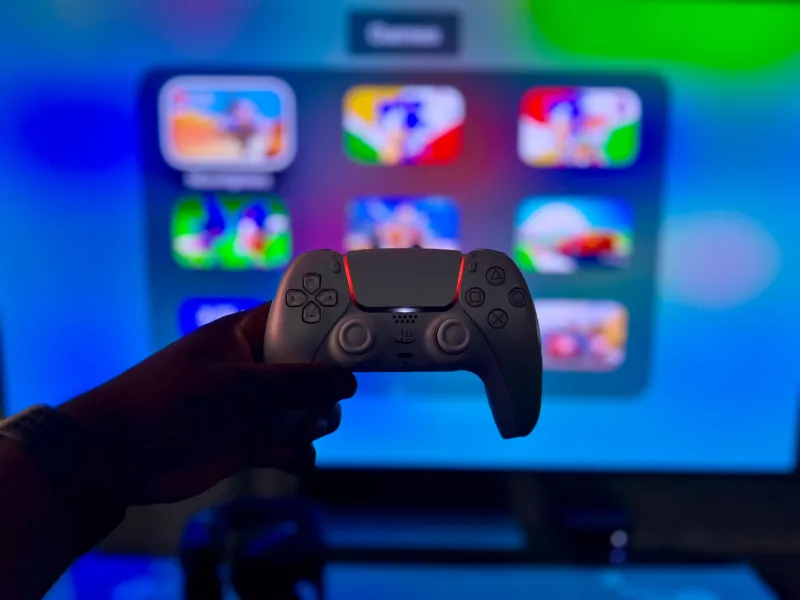
Cloud gaming rarely arrives as a single subscription. To access a meaningful library, most British players find themselves maintaining multiple services simultaneously. Xbox Game Pass Ultimate currently costs £14.99 per month. NVIDIA GeForce Now's Performance tier runs £9.99 monthly. PlayStation Plus Extra, which includes cloud streaming for a portion of its catalogue, sits at £13.49 per month. Stack two or three of these together and a gamer is spending between £25 and £45 every month before purchasing a single additional title.
Over three years — a modest ownership horizon for any gaming PC component — that expenditure reaches between £900 and £1,620. And at the end of that period, the subscriber owns absolutely nothing. No hardware, no game library, no resale value. The moment a subscription lapses, access evaporates.
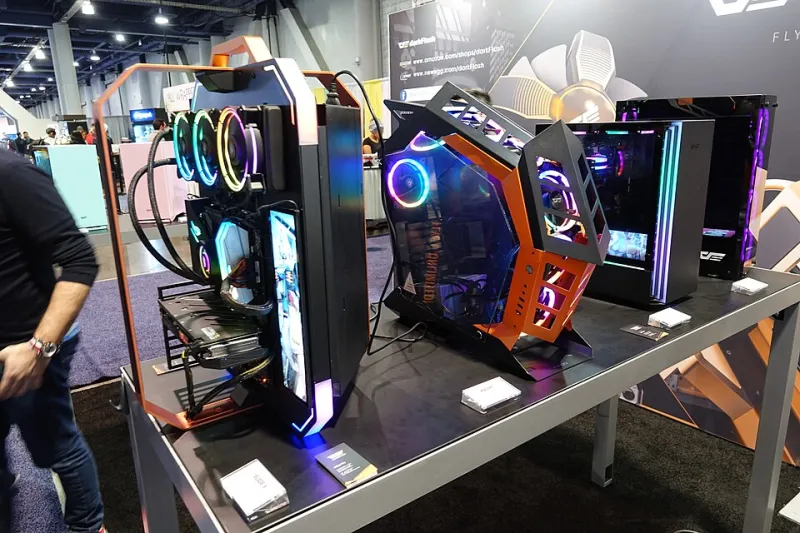
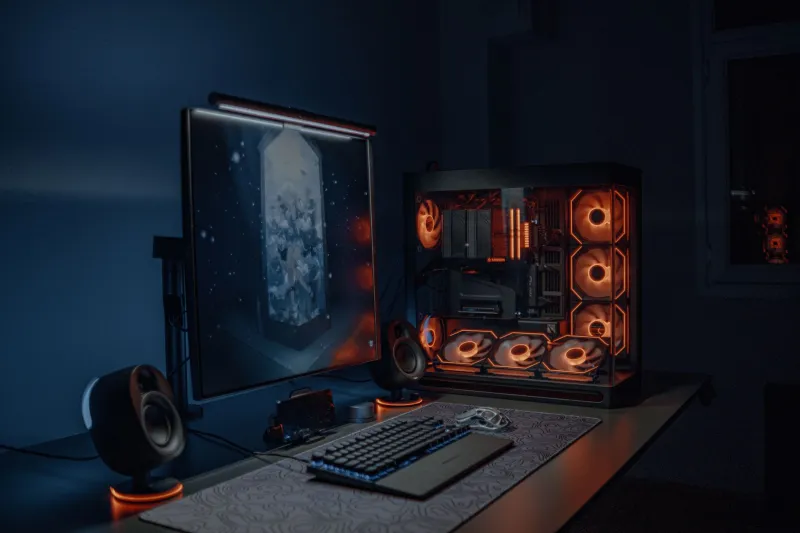
Contrast this with a mid-range gaming PC built around a current-generation discrete GPU, a capable processor, and 16GB of RAM. A well-specified system in the £800 to £1,100 range, purchased through a reputable UK retailer, will handle the overwhelming majority of current titles at high settings. Games purchased outright — even at full retail price — retain resale value, can be traded, and remain playable indefinitely regardless of any third party's commercial decisions.
Britain's Broadband Reality Undermines the Cloud Promise
Cloud gaming's fundamental dependency is a fast, stable, low-latency internet connection. The marketing materials invariably quote best-case figures. The lived experience of millions of British households tells a different story.
According to Ofcom's most recent Connected Nations report, whilst average UK broadband speeds have improved substantially, significant regional disparities persist. Rural communities, older housing stock with ageing copper infrastructure, and densely populated urban areas during peak evening hours all present conditions that are hostile to smooth game streaming. Input lag — the delay between a controller command and its on-screen result — becomes acutely noticeable in competitive or fast-paced titles, and cloud platforms are architecturally incapable of eliminating it entirely.
A dedicated gaming PC processes inputs locally. The response is immediate, consistent, and entirely independent of your ISP's performance on a given Tuesday evening. For competitive players particularly, this distinction is not cosmetic — it is fundamental.
The Catalogue Instability Problem
Cloud gaming subscribers have learned an uncomfortable lesson about content permanence. Games appear on these platforms and disappear without warning, subject to licensing negotiations between publishers and platform operators. A title a player has invested forty hours in can be removed from a service during the following month's catalogue refresh.
This volatility is not hypothetical. Multiple high-profile titles have departed Game Pass and comparable services within months of their addition. For a player who budgets carefully and commits time to a game, discovering mid-playthrough that access will shortly be revoked is a genuinely poor consumer experience.
Owned software — whether physical media or a digital licence tied to a persistent storefront — does not behave this way. The game remains available on your terms, not those of a streaming platform's commercial arrangements.
Building the Smarter Long-Term Investment
The case for hardware ownership strengthens considerably when one accounts for upgradeability. A gaming PC purchased today is not a static investment. As GPU prices continue their post-shortage stabilisation, adding a more capable graphics card in two years is a straightforward proposition. RAM can be expanded. Storage supplemented. The platform endures and evolves.
Console hardware offers a similar argument against cloud dependency. A current-generation console, purchased outright, provides a stable, optimised gaming environment for five to seven years. Physical game collections retain tangible value. Second-hand titles remain accessible. The economics of ownership, over any meaningful time horizon, consistently outperform perpetual subscription expenditure.
For British gamers evaluating their technology spending with genuine rigour, the arithmetic is not subtle. Cloud gaming is a convenience proposition dressed in the language of economy. Dedicated hardware is an investment that returns value, performance, and permanence in equal measure.
The subscription trap is real. And an increasing number of British players have recognised it for precisely what it is.