The New Normal: Britain's Thermal Challenge
The summer of 2022 shattered temperature records across the United Kingdom, with London experiencing its hottest day ever recorded at 40.3°C. Whilst the media focused on transport disruptions and health warnings, a quieter crisis was unfolding in offices, server rooms, and business premises nationwide. IT equipment, designed for Britain's historically temperate climate, began failing at alarming rates.
Microdirect's technical support team reported a 340% increase in hardware failure calls during the July heatwave, with many customers discovering that their "climate-controlled" offices were anything but controlled when temperatures soared. The reality facing British businesses today is stark: our IT infrastructure was never designed for the climate we're now experiencing.
Understanding Hardware Thermal Limits
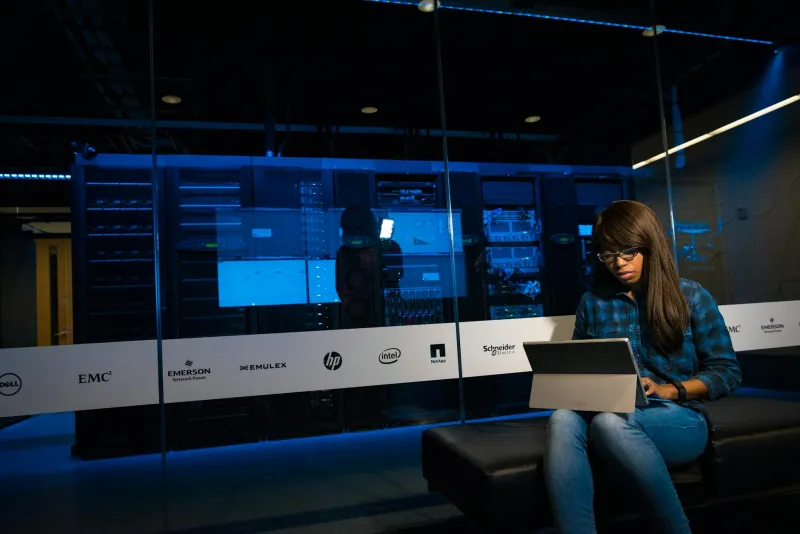
Most business computing equipment operates within specific temperature ranges that seem generous until you factor in Britain's evolving climate patterns. Desktop workstations typically function optimally between 10°C and 35°C, whilst servers demand even tighter parameters of 18°C to 27°C for reliable operation.
The critical issue isn't just peak temperatures—it's sustained exposure to elevated heat levels. When office environments consistently exceed 25°C, hard drives experience accelerated wear, processors throttle performance to prevent damage, and power supplies work harder, generating additional heat in a destructive feedback loop.
Networking equipment proves particularly vulnerable. Switches and routers tucked into cupboards or mounted in poorly ventilated areas can reach internal temperatures of 60°C or higher during heatwaves, well beyond their operational thresholds. The result? Network instability, dropped connections, and premature component failure.
The Hidden Costs of Heat Damage
The financial implications extend far beyond immediate hardware replacement costs. Heat-damaged solid-state drives may appear functional whilst gradually corrupting data, creating potential catastrophic losses weeks or months after the initial thermal stress. Similarly, graphics cards subjected to extreme temperatures often develop intermittent faults that manifest as mysterious system crashes, productivity losses, and frustrated employees.
Consider the experience of a Birmingham-based architectural firm that lost three high-end workstations during the 2022 heatwave. The immediate replacement cost exceeded £8,000, but the real damage came from lost project time, corrupted CAD files, and delayed client deliveries. The total business impact approached £35,000—money that could have funded comprehensive cooling solutions for their entire office.
Practical Cooling Strategies for UK Businesses
Immediate Interventions
British businesses needn't invest in expensive infrastructure modifications to protect their technology investments. Simple interventions can provide significant protection during extreme weather events.
Portable air conditioning units, available from £300 to £800, can create localised cool zones for critical equipment. When positioning these units, focus on server areas, networking cupboards, and high-value workstations rather than attempting to cool entire office spaces.
Improved airflow represents another cost-effective solution. Industrial-grade fans, costing between £50 and £200, can dramatically reduce ambient temperatures when positioned strategically. The key lies in creating air circulation patterns that draw hot air away from equipment whilst introducing cooler air from shaded areas.
Strategic Infrastructure Investments
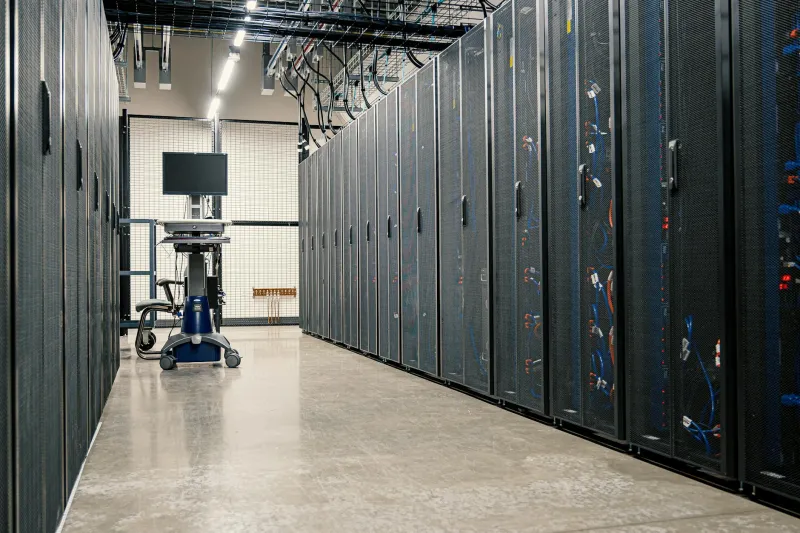
For businesses operating mission-critical systems, dedicated cooling infrastructure becomes essential rather than optional. Modern split-system air conditioning units designed for server rooms typically cost between £2,000 and £5,000 installed, representing excellent value when compared to potential equipment losses.
These systems offer precise temperature control, humidity management, and redundancy features that consumer-grade solutions cannot match. More importantly, they operate independently of building-wide HVAC systems that may struggle during extreme weather events.
Monitoring and Automation
Temperature monitoring systems, available from £150 for basic wireless sensors to £1,500 for comprehensive environmental monitoring suites, provide early warning capabilities that can prevent catastrophic failures. These systems alert IT teams when temperatures approach dangerous levels, enabling proactive interventions before damage occurs.
Smart power strips and environmental controls can automatically shut down non-essential equipment when temperatures spike, protecting valuable hardware whilst maintaining critical operations. This automation proves particularly valuable for businesses operating outside traditional office hours.
Regional Considerations Across Britain
London's urban heat island effect creates particular challenges for businesses in the capital, where street-level temperatures can exceed surrounding areas by 5°C or more. Glass-fronted offices in Canary Wharf and the City become virtual greenhouses during heatwaves, overwhelming conventional cooling systems.
Conversely, businesses in Scotland and Northern England may question the necessity of cooling investments, but climate projections suggest these regions will experience more frequent extreme temperature events in coming decades. Early investment in cooling infrastructure represents prudent risk management rather than unnecessary expenditure.
The Microdirect Approach: Preparation Over Reaction
The British climate is changing, and our technology infrastructure must adapt accordingly. Rather than reactive repairs and emergency replacements, successful businesses are investing in proactive cooling solutions that protect their technology investments whilst maintaining operational continuity.
At Microdirect, we've observed that businesses implementing comprehensive cooling strategies before experiencing heat-related failures consistently outperform those adopting reactive approaches. The mathematics are compelling: investing £2,000 in preventative cooling typically prevents £10,000 or more in heat-related equipment losses and business disruption.
As we approach another potentially record-breaking summer, the question facing British businesses isn't whether to invest in cooling solutions—it's whether they can afford not to. The cost of inaction, measured in failed hardware, lost productivity, and business disruption, far exceeds the investment required for adequate protection.
The time for preparation is now, before the next heatwave tests your technology infrastructure to its breaking point.