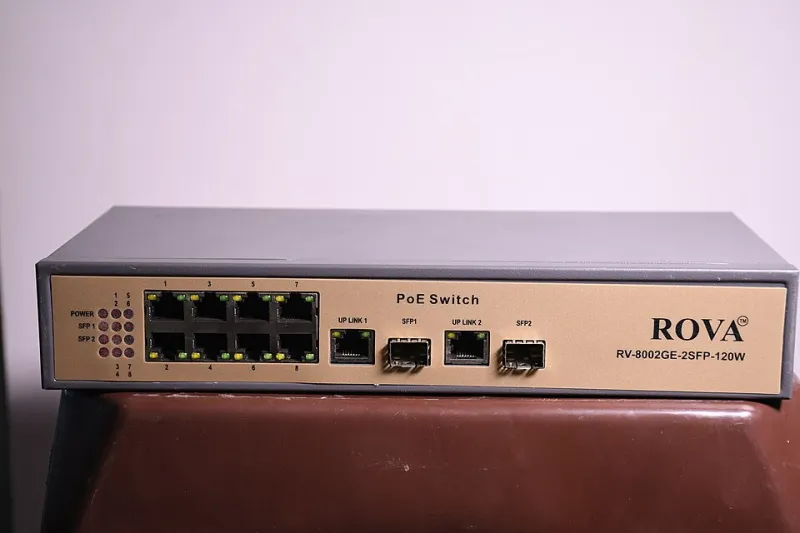
Basement Bandwidth: The Quiet Revolution of British Households Running Data Centres From Kitchen Cupboards
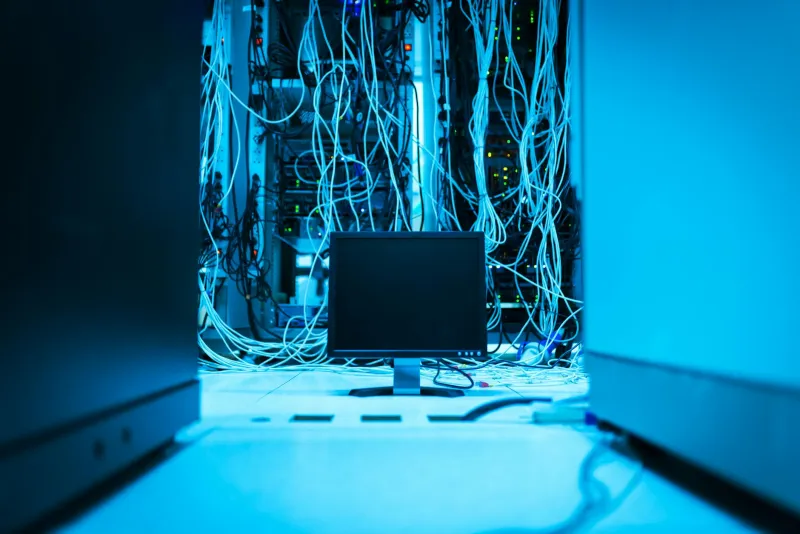
The Suburban Server Revolution
In a modest terraced house in Leeds, former corporate Dell servers hum quietly beneath the stairs, streaming 4K content to three households whilst backing up family photos and hosting a private email server. This scene, replicated across thousands of British homes, represents a fundamental shift in domestic technology consumption—one driven by privacy concerns, rising subscription costs, and an increasingly tech-savvy population.
From Corporate Castoffs to Domestic Dynamos
The catalyst for Britain's home server boom lies in corporate hardware refresh cycles. As businesses upgrade to newer equipment, perfectly functional rack servers, workstations, and networking gear flood the secondary market at fraction of original costs. A £15,000 enterprise server becomes accessible for £300-500, delivering capabilities that would cost hundreds monthly through cloud subscriptions.
This democratisation of enterprise hardware has created unexpected opportunities. A Manchester software developer purchased a decommissioned HP ProLiant for £400, replacing £80 monthly cloud storage subscriptions whilst gaining complete control over family data. The financial mathematics prove compelling: hardware costs recover within six months, with subsequent years representing pure savings.
The Motivation Matrix
British households embrace home servers for diverse reasons beyond mere cost savings. Privacy consciousness drives many adoptions, particularly following high-profile data breaches affecting major cloud providers. A Cardiff family installed their own Nextcloud instance after concerns about children's school photos stored on commercial platforms.
Subscription fatigue represents another powerful motivator. British households now spend an average £47 monthly on digital subscriptions—from Netflix and Spotify to iCloud storage and Office 365. Home servers eliminate multiple recurring costs whilst providing superior functionality. Local media servers deliver faster streaming than internet-dependent services, particularly valuable given Britain's variable broadband performance.
The Technical Learning Curve
Modern home server deployment has simplified dramatically. Operating systems like Unraid, TrueNAS, and Proxmox provide user-friendly interfaces for complex tasks. A Birmingham accountant with minimal technical background successfully deployed a Plex media server, network-attached storage, and backup solution using YouTube tutorials and community forums.
The learning investment pays dividends beyond immediate functionality. British professionals discover valuable skills applicable to workplace environments. Understanding networking, virtualisation, and storage management enhances career prospects whilst reducing household technology dependence.
Power Consumption Reality Check
Concerns about electricity costs often deter potential adopters, yet modern hardware efficiency has transformed the equation. A typical home server consuming 50-100 watts costs £80-160 annually at current British electricity rates—less than many households spend on single streaming subscriptions.
Strategic hardware selection further optimises consumption. Mini PCs and NAS devices designed for continuous operation consume 15-30 watts whilst delivering substantial capabilities. A Coventry household runs a comprehensive home automation system, media server, and backup solution using a £250 Intel NUC consuming less power than a traditional desktop computer.
The Noise Factor
Enterprise hardware's reputation for excessive noise often proves exaggerated in domestic contexts. Modern servers incorporate intelligent fan curves, reducing noise levels during typical operation. Strategic placement—utility rooms, garages, or insulated cupboards—further minimises acoustic impact.
For noise-sensitive environments, purpose-built home server hardware eliminates concerns entirely. Synology and QNAP NAS devices operate silently whilst delivering professional capabilities. The investment premium over repurposed enterprise gear often proves worthwhile for households prioritising domestic tranquillity.
Building Your British Home Lab
Starting points vary based on technical comfort and specific requirements. Beginners might consider pre-built NAS devices from established manufacturers, offering appliance-like simplicity with room for growth. More adventurous users can explore mini PCs or repurposed enterprise hardware for maximum flexibility and value.
The key lies in matching capabilities to genuine requirements rather than pursuing maximum specifications. A family needing basic file sharing and media streaming requires vastly different infrastructure than enthusiasts exploring virtualisation and network services.
The Economics of Independence
Beyond monthly subscription savings, home servers provide economic benefits through extended hardware lifecycles and reduced cloud storage costs. British households accumulating years of photos, videos, and documents face escalating storage expenses. Local storage eliminates these recurring costs whilst improving access speeds and reliability.
Future-Proofing Domestic Infrastructure
As smart home devices proliferate and data privacy concerns intensify, home servers position British households for technological independence. Local processing reduces internet bandwidth requirements whilst maintaining functionality during broadband outages—increasingly relevant given Britain's variable connectivity quality.
The movement represents more than technological enthusiasm; it embodies a return to digital self-sufficiency that commercial interests have gradually eroded. British households reclaiming control over their data and digital services signal a broader shift towards sustainable, privacy-conscious technology consumption.