The Hidden Cost of Heritage Architecture
Across Britain's commercial districts, from Manchester's converted cotton mills to London's repurposed Victorian warehouses, businesses are grappling with an unexpected adversary: their own buildings. These characterful spaces, whilst offering affordable square footage and period charm, were designed for an era when the most heat-generating office equipment was a typewriter and a filing cabinet.
Today's reality paints a starkly different picture. A typical UK office now houses dozens of desktop computers, multiple servers, networking equipment, and high-resolution displays—all generating substantial heat loads that would have been unimaginable to Victorian architects. The result is a perfect storm of thermal stress that's silently devastating hardware investments across the country.
The Thermal Reality Check
Modern computing equipment operates within surprisingly narrow temperature parameters. Most business-grade hardware functions optimally between 18°C and 22°C, with performance degrading rapidly beyond these boundaries. Yet thermal monitoring studies across British offices reveal ambient temperatures frequently exceeding 28°C during peak operational hours, particularly in buildings lacking modern HVAC systems.
The consequences extend far beyond mere discomfort. Processors throttle performance to prevent overheating, hard drives develop bad sectors more rapidly, and power supplies fail prematurely when subjected to sustained high temperatures. What appears as gradual performance decline or occasional system instability often masks systematic thermal damage accumulating over months or years.
Identifying the Warning Signs
British businesses operating from older premises should monitor several key indicators of thermal stress. Frequent system crashes during afternoon hours, particularly in summer months, often signal inadequate cooling capacity. Similarly, hardware failures clustered in specific areas of the office typically indicate localised hot spots where equipment density exceeds the building's thermal management capabilities.
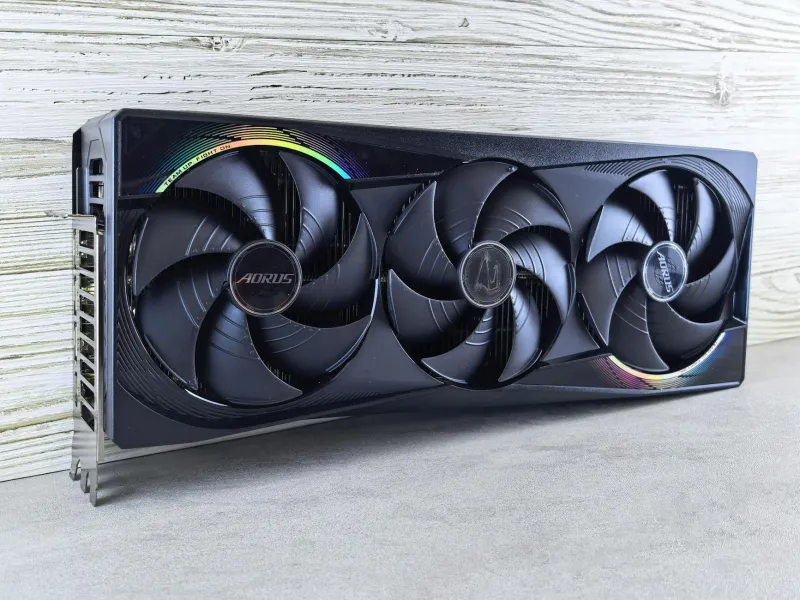
Employee complaints about stuffy conditions or the constant whir of computer fans working overtime provide additional clues. Modern processors and graphics cards incorporate sophisticated thermal protection, ramping fan speeds dramatically when temperatures climb. This audible warning system shouldn't be ignored—it's often the first indication that expensive hardware is fighting for survival.
Strategic Solutions for Historic Premises
Fortunately, businesses needn't abandon their characterful office spaces to protect their technology investments. Strategic interventions can dramatically improve thermal conditions without requiring extensive building modifications.
Equipment Placement Optimisation
The simplest intervention involves repositioning heat-generating equipment away from problem areas. Servers and desktop computers should never be placed directly beneath skylights, adjacent to south-facing windows, or in poorly ventilated corners. Creating buffer zones between high-heat equipment and walls improves airflow circulation, whilst elevating computers on desk stands enhances natural convection cooling.
Targeted Cooling Solutions
Portable air conditioning units offer immediate relief for critical equipment areas, whilst industrial fans can establish airflow patterns that prevent hot air accumulation. However, these solutions must be implemented thoughtfully—poorly positioned fans can actually recirculate hot air, exacerbating thermal problems rather than solving them.
Infrastructure Upgrades That Pay Dividends
For businesses committed to their historic premises, strategic infrastructure investments deliver substantial returns. Installing ceiling fans creates beneficial air circulation patterns throughout open-plan areas, whilst upgrading windows to include tinted or reflective glazing reduces solar heat gain without compromising natural light.
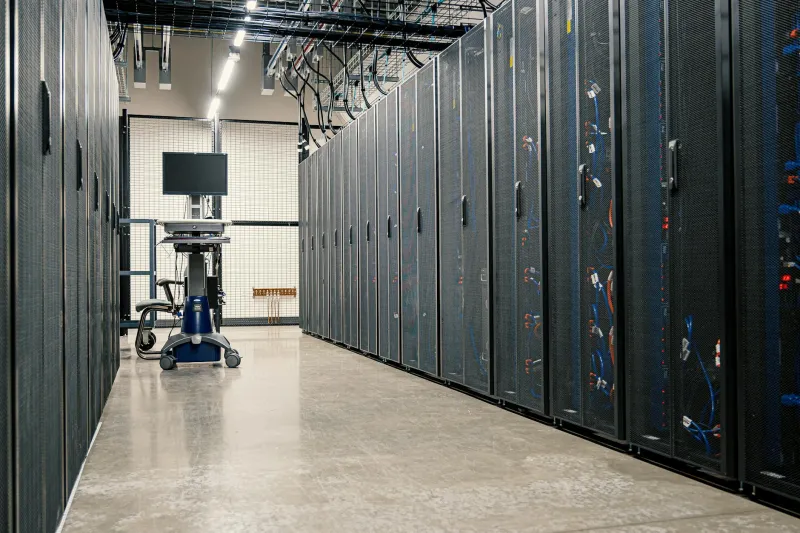
Dedicated server rooms, even modest ones, represent perhaps the most effective intervention for businesses operating substantial computing equipment. Converting unused storage areas or installing prefabricated server enclosures with dedicated cooling creates controlled environments that extend hardware lifecycles significantly.
The ROI of Thermal Management
The financial case for addressing thermal challenges proves compelling when examined closely. A typical business desktop computer costing £800 might last seven years in optimal conditions but only four years when subjected to chronic overheating. Servers face even starker realities, with thermal stress potentially halving operational lifespans whilst increasing maintenance requirements substantially.
Beyond direct replacement costs, thermal-related performance degradation imposes hidden productivity penalties. Throttled processors reduce computational efficiency, whilst system instability disrupts workflows and data integrity. For businesses operating from Britain's abundant stock of heritage commercial buildings, investing in thermal management isn't merely about protecting hardware—it's about preserving operational efficiency and competitive advantage.
Building a Sustainable Technology Environment
Successful thermal management requires ongoing attention rather than one-time fixes. Regular temperature monitoring using digital thermometers or environmental sensors provides objective data about problem areas and seasonal variations. Many businesses discover that thermal challenges vary dramatically throughout the year, requiring flexible approaches that adapt to changing conditions.
Maintaining detailed logs of hardware failures alongside temperature data reveals patterns that might otherwise remain hidden. This documentation proves invaluable when planning equipment purchases, facility modifications, or insurance claims related to heat damage.
The Path Forward
Britain's diverse commercial building stock needn't represent a barrier to modern technology deployment. With careful planning, strategic interventions, and ongoing monitoring, businesses can create thermally stable environments that protect their computing investments whilst preserving the character and affordability that drew them to historic premises initially.
The key lies in recognising thermal management as an integral component of technology procurement rather than an afterthought. By factoring environmental conditions into hardware selection, placement decisions, and maintenance schedules, British businesses can enjoy the best of both worlds: characterful office spaces and reliable, long-lasting technology infrastructure.