The Silent Productivity Killer
Across Britain's burgeoning freelance economy, a hidden epidemic is draining thousands from independent contractors' annual earnings. Whilst freelancers meticulously track billable hours and chase invoices, many remain oblivious to their most expensive overhead: underperforming hardware that transforms every project into an endurance test.
Recent analysis of UK freelancer productivity patterns reveals a stark reality. The average British freelancer operating on hardware older than three years loses approximately £15,000 annually through productivity penalties, missed opportunities, and damaged client relationships. For a sector contributing over £125 billion to the UK economy, this represents a staggering collective loss.
The Mathematics of Mediocrity
Consider Sarah, a Manchester-based graphic designer billing £45 per hour. Her four-year-old laptop requires twelve minutes to render a complex logo animation that modern hardware completes in three minutes. Across twenty similar projects monthly, this nine-minute penalty accumulates to three lost billable hours—£135 vanishing monthly due to hardware limitations alone.
Video editors face even starker mathematics. Processing 4K footage on inadequate systems can multiply rendering times by 400%. James, a Birmingham videographer, calculated that upgrading from his struggling desktop to a modern workstation reduced his typical project turnaround from five days to eighteen hours—enabling him to accept 60% more commissions whilst delivering superior quality.
The Ripple Effect of Sluggish Systems
Hardware inadequacy extends beyond mere time wastage. Client video calls plagued by freezing screens and audio dropouts project unprofessionalism that costs contracts. Research indicates that 73% of UK businesses consider technical difficulties during presentations as indicators of service quality.
Marketing consultant David from Leeds discovered this harsh reality when laggy screen sharing during a crucial client presentation contributed to losing a £12,000 annual retainer. "The client later mentioned that technical issues raised concerns about my ability to handle their digital campaigns efficiently," he reflected.
The Compound Cost of Compromise
Freelancers often justify hardware compromises through false economy. "It still works" becomes an expensive mantra when examined against opportunity costs. Slow file transfers, application crashes, and system freezes don't merely waste time—they fragment focus, elevate stress levels, and degrade work quality.
Photographer Emma from Edinburgh calculated that her ageing laptop's frequent crashes during editing sessions weren't just losing productive hours but forcing her to decline rush jobs worth £8,000 annually. "Clients stopped requesting expedited work because they couldn't trust my delivery timelines," she explained.
Strategic Hardware Investment: The ROI Reality
Contrary to freelancer assumptions, strategic hardware upgrades deliver measurable returns within weeks, not years. Modern processors, adequate RAM, and solid-state drives transform productivity metrics across every creative and technical discipline.
A £2,000 investment in contemporary hardware typically recovers costs within six weeks for most UK freelancers through:
- Reduced project completion times: 40-60% efficiency gains
- Enhanced client satisfaction: Professional presentation capabilities
- Expanded service capacity: Ability to accept additional projects
- Improved work quality: Advanced software functionality access
The Tiered Upgrade Strategy
Smart freelancers approach hardware upgrades strategically, prioritising components delivering maximum productivity impact. RAM upgrades often provide immediate relief for multitasking workflows, whilst SSD installations eliminate the daily frustration of sluggish boot times and file access.
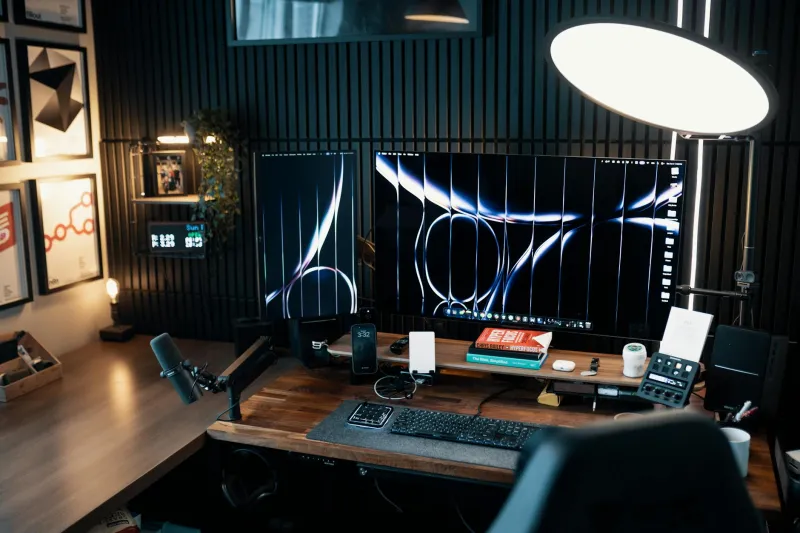
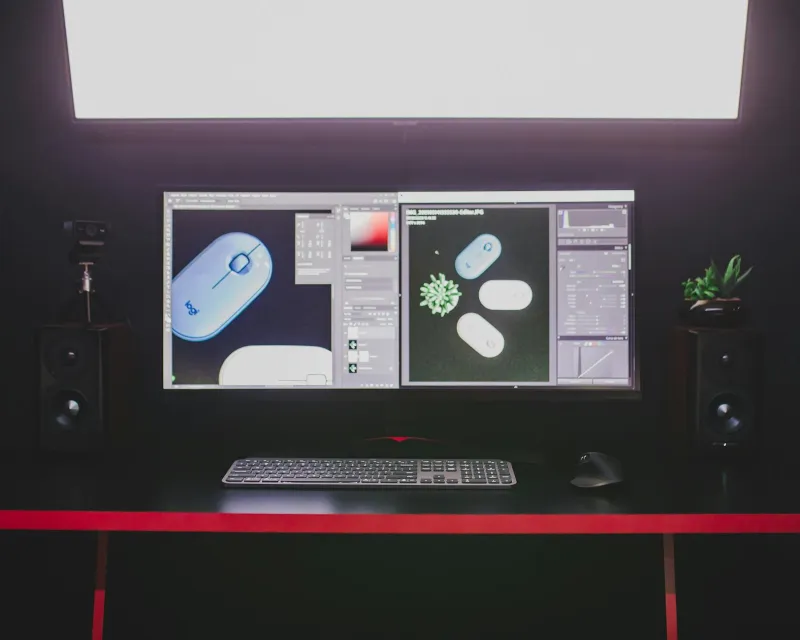
For creative professionals, graphics processing power represents the difference between accepting lucrative 3D rendering projects and declining them due to technical limitations. Web developers benefit enormously from multiple monitor setups and fast processors that enable efficient code compilation and testing.
Beyond Individual Impact: Industry Transformation
Britain's freelance sector's collective hardware upgrade represents more than individual productivity gains—it strengthens the nation's competitive position in global digital markets. When UK freelancers operate with cutting-edge tools, they compete effectively against international rivals whilst delivering superior value to domestic clients.
The COVID-19 pandemic accelerated remote working adoption, making reliable, powerful hardware essential rather than optional. Freelancers equipped with professional-grade systems positioned themselves advantageously as businesses sought reliable remote partners.
Making the Investment Decision
Calculating hardware upgrade ROI requires honest assessment of current productivity limitations. Freelancers should monitor time spent waiting for systems, frequency of technical difficulties during client interactions, and projects declined due to hardware constraints.
Modern financing options make professional hardware accessible without devastating cash flow. Many UK suppliers offer business credit terms enabling freelancers to spread costs whilst immediately capturing productivity benefits.
The Path Forward
Britain's freelance economy thrives on adaptability, creativity, and efficiency. However, these advantages dissolve when undermined by inadequate hardware. The choice facing UK freelancers isn't whether they can afford to upgrade—it's whether they can afford not to.
Every day operating on substandard equipment represents lost income, diminished opportunities, and competitive disadvantage. In an economy where milliseconds translate to pounds and reliability determines reputation, hardware investment transforms from expense to essential business strategy.
The mathematics remain unforgiving: freelancers can continue subsidising hardware manufacturers' obsolescence through lost productivity, or invest strategically in tools that amplify their talents and secure their financial futures.