The Economics of Direct IT Procurement
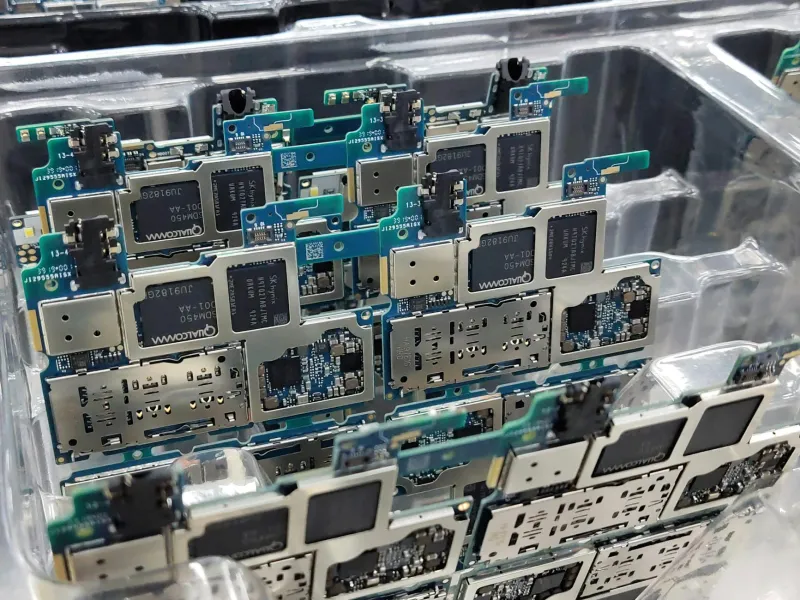
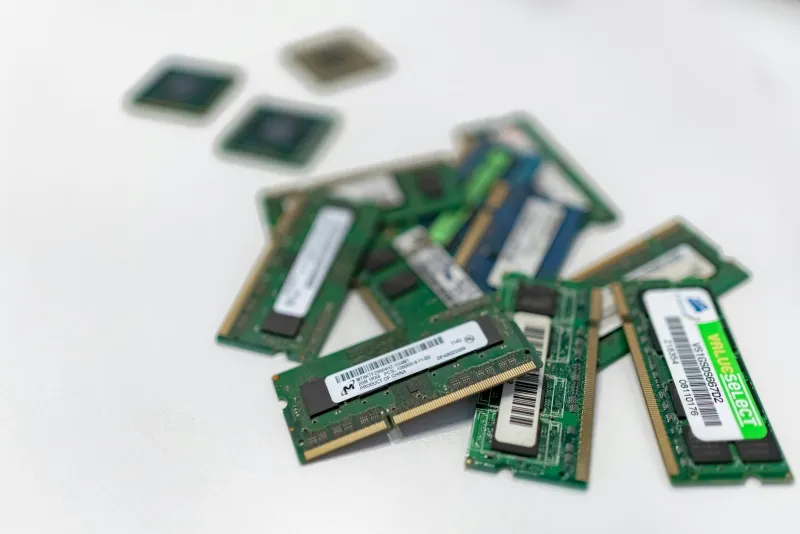
Across Britain's business landscape, a quiet revolution is transforming how small and medium enterprises approach their technology investments. From the industrial heartlands of Manchester to the tech corridors of Milton Keynes, companies are discovering that direct component procurement offers a compelling alternative to conventional IT purchasing models.
Traditional retail channels typically add substantial mark-ups to hardware costs, often ranging from 30% to 60% above distributor pricing. For a typical business desktop configuration featuring an Intel Core i5 processor, 16GB RAM, and solid-state storage, the difference between direct procurement and high-street pricing can exceed £300 per unit. When multiplied across an entire workforce, these savings become transformational for budget-conscious enterprises.
Beyond Cost: The Quality Equation
Contrary to concerns about compromising on quality, direct procurement often delivers superior components compared to mass-market alternatives. Business-grade motherboards, enterprise-class storage solutions, and commercial-specification power supplies frequently offer enhanced reliability and extended warranties that exceed consumer-focused products.
Manchester-based manufacturing firm Precision Engineering Ltd exemplifies this approach. By sourcing components directly, they configured workstations with industrial-grade specifications at 40% below equivalent branded systems. Their IT manager notes, "We're getting server-class reliability in desktop form factors, something impossible with off-the-shelf solutions."
The Configure-to-Order Advantage
Direct component sourcing enables precise specification matching, eliminating the compromises inherent in mass-market systems. Rather than accepting pre-configured specifications that may include unnecessary features whilst lacking essential capabilities, businesses can optimise every component for their specific requirements.
This approach proves particularly valuable for specialised applications. Design consultancies require powerful graphics processing capabilities but modest storage requirements, whilst financial services firms prioritise processing power and memory over multimedia features. Direct procurement enables these nuanced optimisations, delivering superior performance per pound invested.
Navigating the Direct Procurement Landscape
Successful direct purchasing requires understanding several key considerations. Component compatibility represents the primary technical challenge, demanding familiarity with motherboard specifications, power requirements, and thermal constraints. However, reputable distributors increasingly offer compatibility verification services, reducing the technical burden on purchasing teams.
Warranty arrangements require particular attention when sourcing components directly. Whilst individual component warranties typically match or exceed those of complete systems, businesses must manage multiple warranty relationships rather than a single vendor contact. Establishing relationships with distributors who offer consolidated support services can mitigate this complexity.
The Support Infrastructure Reality
Concerns about technical support often deter businesses from direct procurement, yet the reality frequently contradicts these fears. Component manufacturers typically provide superior technical documentation and support resources compared to system integrators, who may lack detailed knowledge of individual components.
Moreover, direct relationships with distributors often yield faster resolution times for technical issues. Rather than navigating multiple support tiers, businesses can access specialist knowledge immediately, reducing downtime and improving operational efficiency.
Implementation Strategies for British SMEs
Successful transition to direct procurement requires strategic planning. Begin with non-critical systems to develop internal expertise and supplier relationships before migrating essential infrastructure. Establish preferred supplier arrangements with 2-3 distributors to ensure competitive pricing whilst maintaining supply security.
Document standard configurations for common use cases—general office workstations, design systems, and server platforms—to streamline future procurement whilst capturing lessons learned. This approach reduces decision-making time whilst ensuring consistency across deployments.
The Broader Economic Impact
Direct procurement's benefits extend beyond individual cost savings. By reducing reliance on traditional retail channels, businesses retain more capital for core operations, supporting employment and growth across Britain's SME sector. Additionally, closer relationships with component suppliers often provide early access to emerging technologies, enhancing competitive positioning.
The trend also supports British distributors and logistics networks, strengthening domestic supply chains whilst reducing dependence on international retail conglomerates.
Future Considerations
As direct procurement becomes mainstream, several trends are emerging. Cloud-based configuration tools are simplifying component selection, whilst augmented reality applications enable virtual assembly verification before purchasing. These developments promise to further reduce the technical barriers to direct procurement.
Environmental considerations are also driving adoption, as businesses increasingly prefer upgradeable, repairable systems over disposable alternatives. Direct component sourcing naturally supports this approach, enabling targeted upgrades rather than complete system replacement.
Conclusion: The Strategic Imperative
For British SMEs facing persistent cost pressures, direct IT procurement represents more than a purchasing strategy—it's a competitive necessity. The combination of substantial cost savings, superior component quality, and precise specification matching creates compelling value propositions that traditional retail channels struggle to match.
As businesses from Aberdeen to Plymouth embrace this approach, the question isn't whether to adopt direct procurement, but how quickly implementation can begin. With proper planning and supplier selection, the direct route offers a clear path to enhanced IT capabilities whilst preserving precious capital for growth and innovation.